

Ever wonder how Amazon always manages to have the lowest prices, usually the same as or a fraction lower than everyone else? That's no accident. That's competitive pricing at work, a calculated plan that keeps them in front of one of the world's most competitive markets. Hundreds of companies like Amazon already use and excel at competitive pricing. Why? Since they understand that with a single swift Google search, their potential customer can compare them against a dozen other options, and price competition is the deciding factor to bring them in to their business.
Competition pricing or competitive pricing is a strategy in which companies match the prices of their goods or services with competitors in the market to remain attractive to their target market. Rather than using internal considerations such as production costs or brand equity, this tactic focuses on market sensitivity.
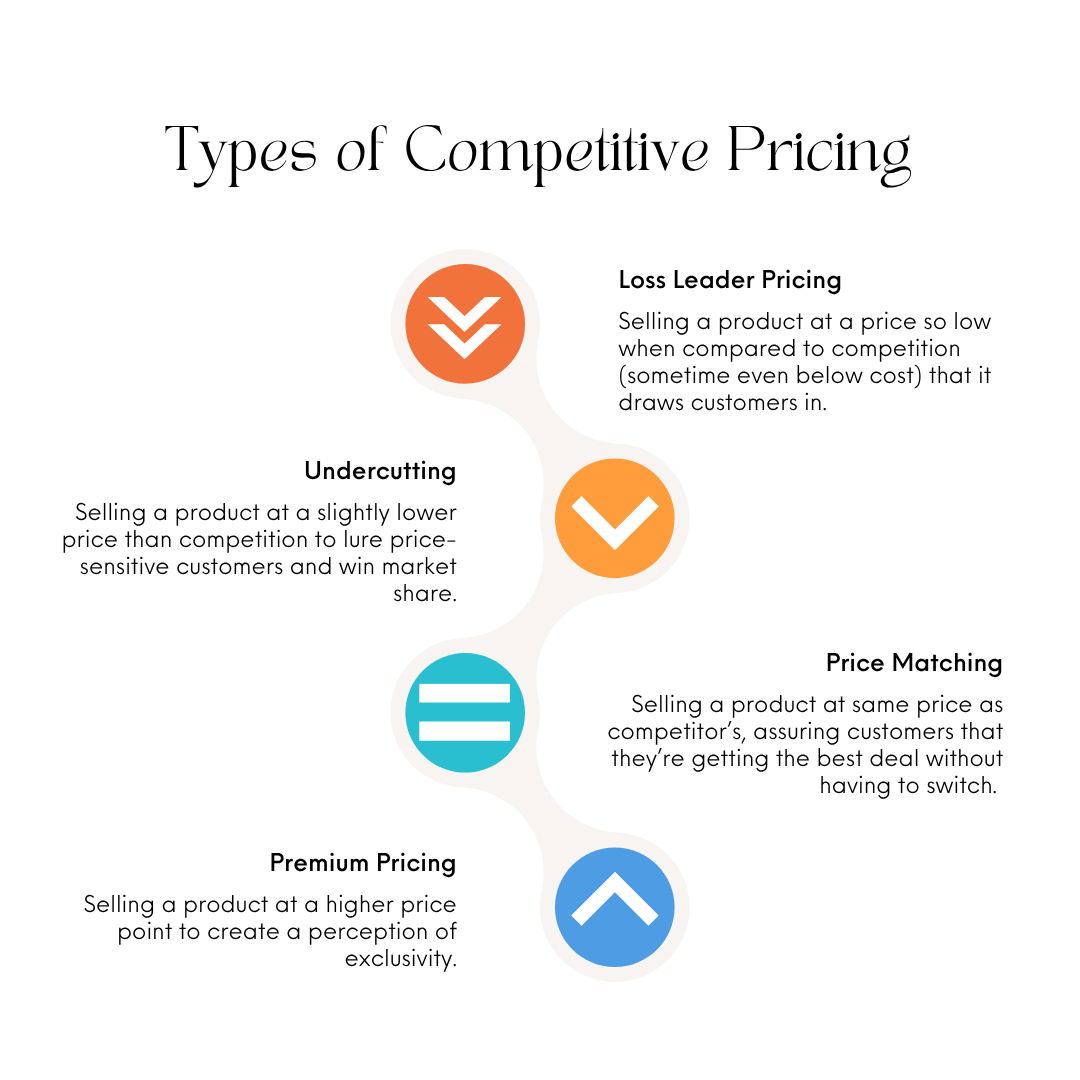
But to dispel the myth, competitive pricing doesn't always mean undercutting the competition. It also means keeping pace with the going rate or sometimes pricing higher to convey premium value. Speaking of which, here are the various types of competitive pricing:
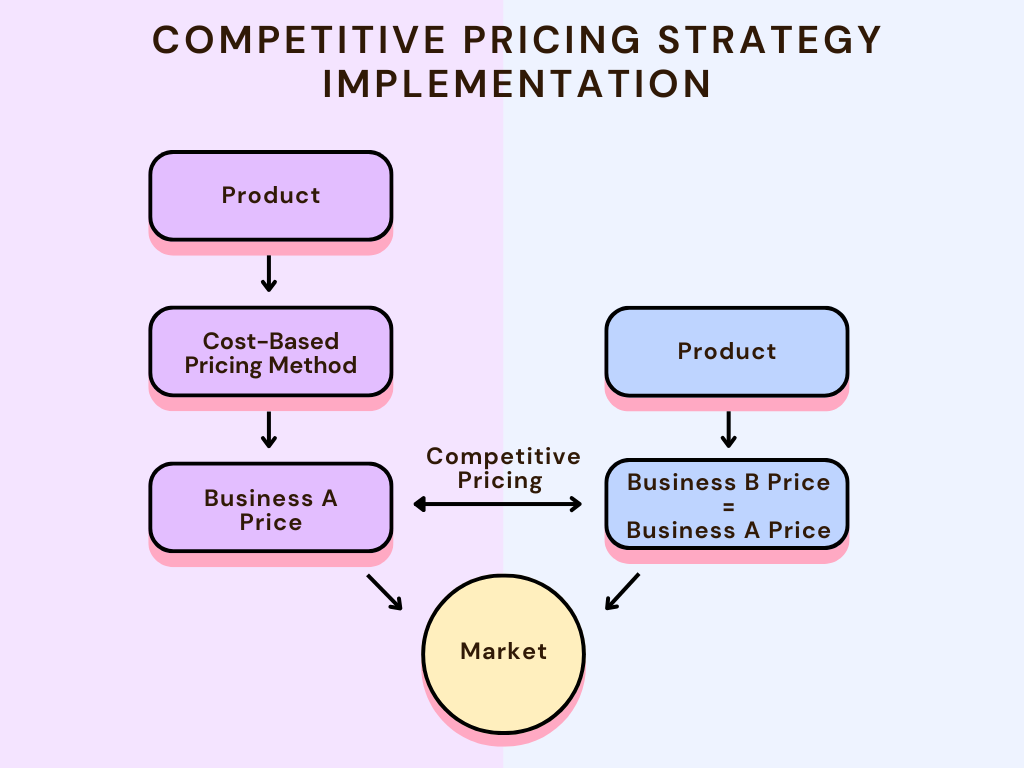
The above picture illustrates a basic example with the operation of competitive pricing. In this case, Business A is using a cost-based pricing strategy, where the price of the product is achieved by adding a specified markup to the operational and production costs.
On the other side, Business B launches a substitute product but does not price based on internal cost structures. Rather, it practices competition-based pricing, which follows the competitor's price by Business A. This is the spirit of competitive pricing, in which firms such as B utilize market intelligence and external price signals to establish their own prices. Business B's approach can be motivated by the necessity to:
Following are some competitive price advantages that you can leverage after adoption:
Following are some competitive price advantages that you can leverage after adoption:
By matching prices with or below competitors, you attract value-conscious buyers who are on the lookout for the best offer. This gives your product the edge, even in highly competitive markets.
Competitive pricing is a strength for new brands since it becomes a stimulus for the customers to switch away from established brands. Even if your products lack any significant differentiation, competitive pricing can tilt the balance in your direction.
As customers perceive your pricing as reasonable and in line with market standards, it will create a sense of trust. This is something that can later evolve into greater brand loyalty and word-of-mouth endorsements.
Competitive pricing becomes a vehicle to communicate where your brand stands in the market. Either you're positioning yourself as a cost-effective alternative or a value proposition with appropriate pricing, it gives the clarity required to your target market.
Here are some global brands that have successfully embraced different kinds of competitive pricing strategies to gain market share and stand out in crowded markets:
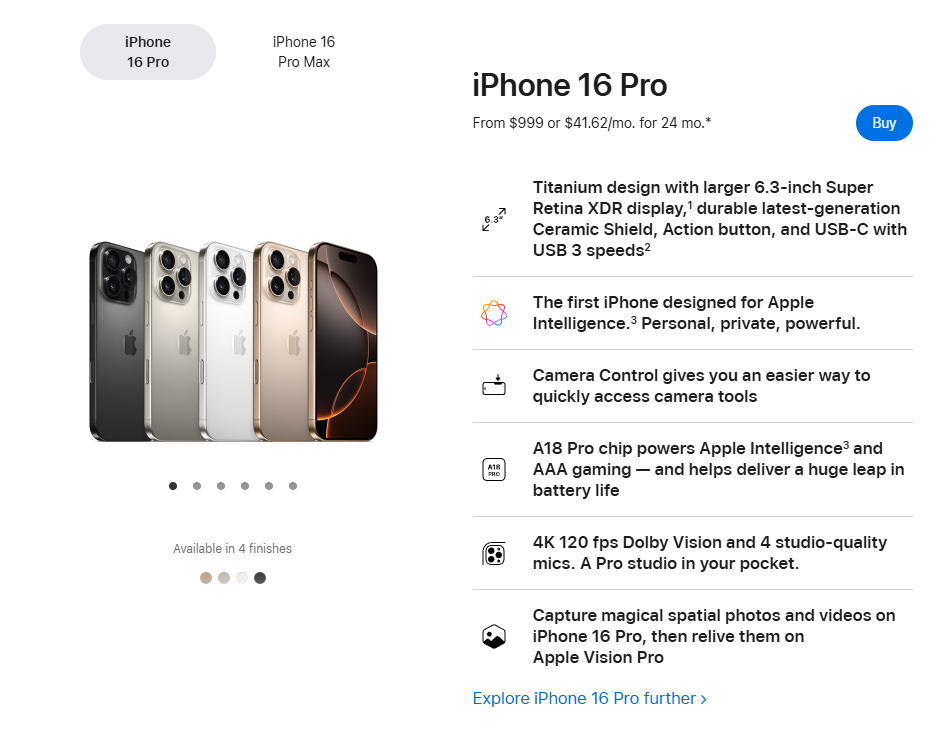
Apple employs high-end pricing in all its products, particularly with the iPhone, MacBook, and Apple Watch. Although technologically similar in specs compared to Android, Apple defends its premium prices through extensive brand devotion and a unified ecosystem. In Apple's competitive pricing plan, they are not merely charging for their gadgets; they're charging a lifestyle.
Competitive Strategy Adopted: Premium Pricing
Key Takeaway: When your brand offers emotional value and exclusivity, you can command a higher price than others because your target audience is willing to pay more.

Best Buy's price match guarantee is a defense mechanism in the battle against giants like Amazon and Walmart. If a customer finds a lower price elsewhere, Best Buy matches it on the spot. It's a way to retain foot traffic in brick-and-mortar stores and avoid cart abandonment in their online shop. Price matching works well here because Best Buy's audiences are highly price-sensitive.
🎯 Competitive Pricing Strategy Used: Price Matching
💡 Key Takeaway: Price matching should be adopted in those industries where customers frequently compare prices across platforms.

Gillette pioneered the loss leader strategy by practically giving away razor handles and starter kits at dirt-cheap prices. Because the real profits came from the repeat purchases of razor blade cartridges for them. This famous "razor-and-blades" model hooked customers with an initial deal. They kept the revenue flowing with high-margin consumables.
🎯Competitive Pricing Strategy Used: Loss Leader Pricing
💡Key Takeaway: Offering a low-cost entry product can create a loyal customer base and drive recurring revenue, especially in subscription or consumable-based models.
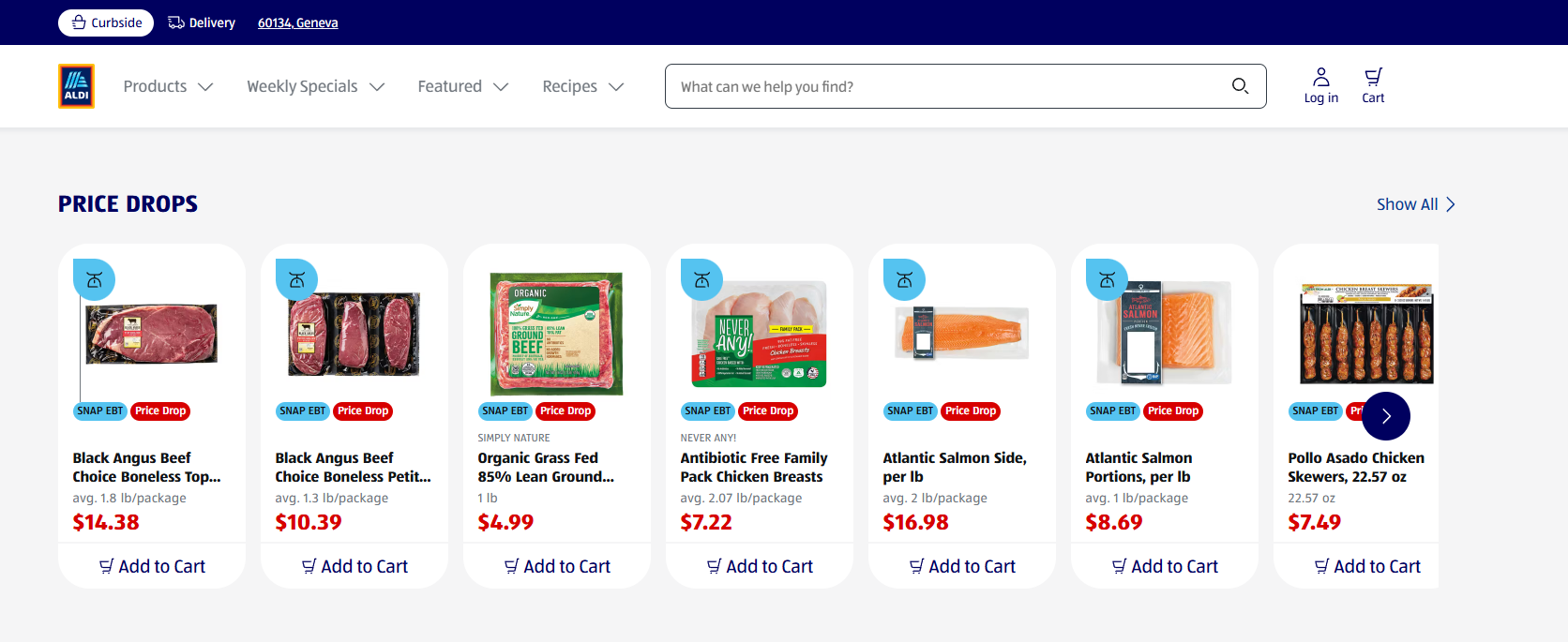
Aldi stormed into markets like the UK and US with a low-price, high-efficiency model. By offering private-label goods at 15–30% lower prices than mainstream brands, using cost-efficient layouts, and limiting product selection, Aldi kept operations lean and passed the savings to shoppers.
🎯 Strategy Used: Undercutting
💡Key Takeaway: Undercut competitors by redesigning your cost structure, not just slashing prices. Operational efficiency is key to sustainable low pricing.
Competitive pricing is simply being aware of your market at all times in order to make nimble pricing moves. The companies that monitor the movement of competitors and the market at all times are the ones that capture the sales and the loyalty. Because competitive pricing is the answer to the brutally blunt question: "If your product is as good as your competitor's, but yours costs more, why would anyone buy from you?"
Written by Anakin Team